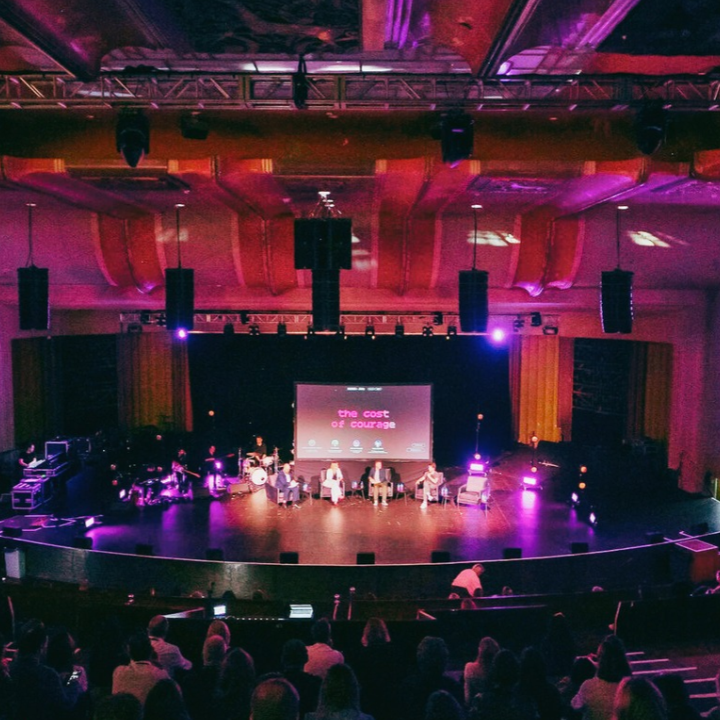
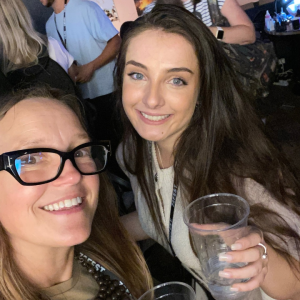
Last week, we headed to 72 Fest at EartH, a cavernous, nightclub-style venue in Hackney. It brought together marketing and communications professionals for a day of talks, networking and plenty of conversation about where our industry is heading next.
Yes, there was also a live band. And yes, they were brilliant.
But beneath the music and festival atmosphere, one theme kept coming back: People.
How do we understand them? How do we reach them? And, perhaps most importantly, what makes them want to engage with our content?
For PR professionals, these are questions we ask every day. But hearing how different media and creators approach them was a useful reminder that there is no single answer and we should consistently be challenging what we did last time.
What do audiences actually want?
The session, What the Media Really Want, brought together Marianna Partisides, Editorial Director at 72Point; Jamie East, Head of Podcasts at DMG Media; Jake Strong-Jones, Head of Video Distribution at The Sun; Katherine Spenley, Editor of Inspire Magazine at the Daily Mail; and Emily Kent Smith, Editorial Director at Goalhanger.
What struck me also immediately was just how fragmented the media landscape has become.
The panel observed that TV, radio, podcasts, websites, video and social may sit under the same media brands, but they are often run by different teams, each competing for stories and audiences.
There was a wonderfully self-aware moment that saw the panel asking how they overcome the challenges of their own fragmentation… alas for the moment, this is an unanswered question. However, the panel did conclude that the current landscape still demands unique, interesting stories and exclusive content, but audiences do not necessarily care where a story originated or whether it is exclusive. This is an interesting development and highlights the shift away from traditional media consumption. We are moving away from a space where daily, printed newspapers led the market, towards a focus on content that is interesting, relevant and worth people’s attention, wherever they happen to find it.
For PRs, that means understanding more than the publication – its format, type of stories and angles, and, most importantly, the people consuming it.
From audiences to communities
The creator session took that idea a step further. Bringing together Emma Walker of Curly Media, Tafara Makopa of Mako Studios and Jamie Pollitt of Rising Ballers rarely talked about their followers as an ‘audience’. They talked about their ‘community’.
This distinction matters.
The creators described their relationship with followers as much more personal. There is no real “fourth wall”, as we might expect from an audience. The people watching, commenting and sharing the content are part of the community the creator has built.
It also changes how creators want to work with PRs.
They want us to understand their audience, their platform and the themes that matter to their community. But they do not necessarily want a fully formed creative concept handed to them. They still want to be the creative themselves, as this is what they thrive on and want to continue within their roles.
At ADPR, before we recommend a creator to a client, we spend time looking at their content, understanding what their followers often engage with and considering whether there is a genuine fit with the brand.
The best collaborations are not about forcing a brand message into someone else’s community – we know consumers are savvy to the “pay to play” theme and we want to ensure all collaborative content is authentic, for both parties. Therefore, it is about finding the right fit and giving the creator enough space to do what they do best, in line with our client’s messages.
Securing the opportunity is only half the job
Then came Sam McAlister. The former BBC Newsnight producer who was behind the infamous 2019 interview with Andrew Mountbatten-Windsor, formerly the Duke of York – or, as Sam jokingly referred to him, “the artist formerly known as Prince Andrew”.
Yes, she was entertaining, and yes, I may have fan-girled a little.
Beyond the jokes, Sam talked about the work that went into securing the interview, including two previous opportunities that had been turned down by Sam and her team, before Andrew’s team finally agreed to Sam’s agenda.
The result was an hour-long interview. Sam quipped how extraordinary this was, when even securing 10 minutes with a major figure would have been considered a win.
Sam and Emily Maitlis had prepared, practised and rehearsed the interview, ensuring they understood the agenda, anticipated the likely responses and knew what they wanted from the interview.
The lesson for PRs is simple: securing the opportunity is only half the job.
Asking for an agenda, schedule of questions and format of the interview is not about trying to control an interview. It is about understanding the environment, deciding whether it is right for a client and making sure they are properly prepared. It’s important to note, that you will not always get the information ahead of time, but spending the time discussing angles and topics of interest will always help ensure all parties are aligned and ultimately, make the best decision for the client.
The people behind the platform
Across the different sessions, the same lesson kept emerging: research matters.
Whether we are working with a journalist, broadcaster, podcast producer or content creator, we need to understand who we are speaking to, how they work and what their audience wants.
The platforms change. The formats change. The way people discover content changes. But people remain at the centre of it all.
For PR professionals, understanding those people and the environment we are asking them to engage with, can be the difference between a story that genuinely connects and one that simply gets lost in the noise.
And sometimes, that means remembering that our agenda might not be the same as the person we are speaking to.
72 Fest left us with rather more to think about than just how good the band was, and how we should be constantly learning, challenging what we did last time and how we can align more closely for each opportunity.
For more information on the role of PR professionals, you may like our blog on what collaboration looks like at ADPR. Alternatively, reach out if you’d like support on connecting with your brand’s audiences, via hello@adpr.co.uk.
Image credits 72Fest thanks to 72Point and ADPR