
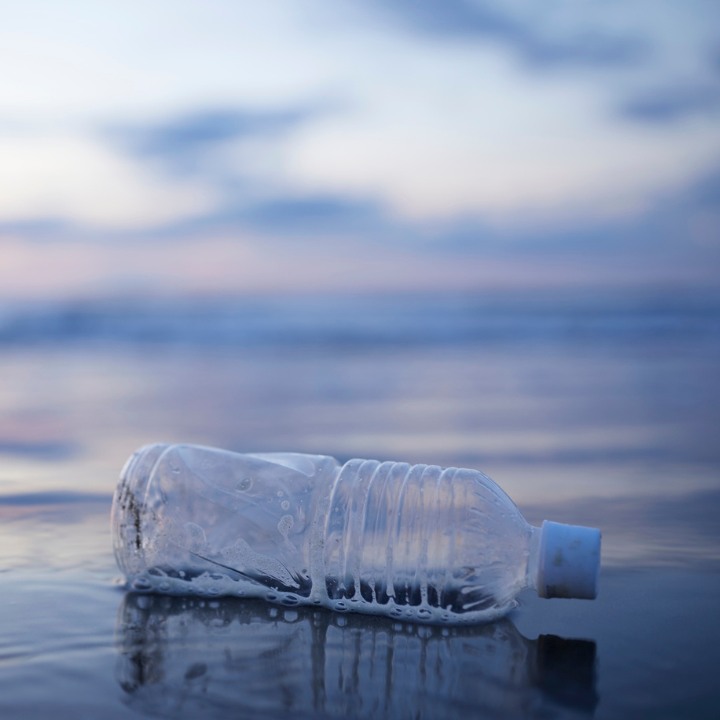
In a time where everyone has been celebrating the 100th birthday of national and global institution that is David Attenborough, it feels fitting to talk about a topic that he would surely approve of. So, get yourself a cuppa, it’s time to talk about marine eco-legislation.
As the self-confessed legislation lover of ADPR, I have recently been involved in several events where MARPOL Annex V has been high on the agenda. It’s a piece of legislation that has been in force in over 150 countries since New Year’s Eve 1988, yet many consumers are still at odds with what it is and how it applies to them.
Luckily, there are a few marine sector champions that have taken it upon themselves to lean into the misconceptions. With increasing pace, well known journalists are taking to the mighty sword (ahem, OK pen, OK, OK . . . keyboard) to raise awareness of the consumer liability to protect our seas and oceans. Behind the scenes many well-known UK businesses are also tuning in, resulting in innovative launches to help consumers make compliant choices. But what do leisure boaters need to be aware of?
To start . . . what is MARPOL Annex V?
MARPOL Annex V is part of the International Convention for the Prevention of Pollution from Ships, developed by the International Maritime Organization (IMO), and focuses on preventing pollution caused by waste from ships and vessels. The regulation sets strict rules around the disposal of waste at sea, including plastics, food waste, domestic rubbish and operational waste, with the discharge of most rubbish is prohibited entirely.
Unfortunately, while the legislation has been firmly in place for nearly 40 years, it is still shrouded in myths . . . .
- MYTH: The legislation only applies to ships and commercial vessels.
- TRUTH: Annex V applies to both commercial and recreational boating
- MYTH: Food waste and natural materials can always be disposed of at sea.
- TRUTH: Even biodegradable waste has strict rules depending on distance from shore, and in many inland or coastal waters it is prohibited entirely.
- MYTH: If it breaks down naturally, it’s environmentally fine
- TRUTH: Decomposition doesn’t remove the impact on marine ecosystems, wildlife, or water quality.
- MYTH: Cleaning products don’t fall under MARPOL Annex V
- TRUTH: Many chemical products used on vessels can still contribute to marine pollution concerns and may fall under other MARPOL annexes or wider environmental regulations depending on composition and discharge.
- MYTH: All chemicals designed to be used on vessel are MARPOL Annex V compliant
- TRUTH: Most chemicals designed for use on boats are designed to protect the material of the vessel, not the ocean.
What actually constitutes as a violation?
For leisure boaters, a violation of MARPOL Annex V can include any unlawful discharge of waste into the water, even if it seems minor or accidental. This includes throwing plastics, packaging, cigarette butts, fishing gear, food waste or domestic rubbish overboard in prohibited areas, as well as discharging cleaning chemicals or operational waste that may harm the marine environment.
A violation can also include failing to use appropriate waste disposal facilities at marinas or incorrectly handling waste onboard.
One of the most important observations being discussed in the public arena is around chemical use. Not all products are the same, and most importantly chemicals marketed for boating use do not automatically have to be compliant with MARPOL regulations.
What is clear, is that many breaches happen through misunderstanding rather than deliberate pollution, which is why awareness and education within the leisure boating community is becoming increasingly important.
The cost of violation
The truth is, fines seem to be rare in the UK, but when they do happen, they can be somewhere between a few hundred pounds to thousands . . . but that’s not really the point. Nearly nine years have passed since David Attenborough released Blue Planet II, which showed the devastating impact of plastics and other single use products building in huge burgs around the globe. Such burgs were (and still are) degrading into microplastics to find their way to drinking water sources or are being eaten by marine life with devastating effects.
We love being in, on and by the water. Whether it’s for wild swimming, sailing, paddle boarding, or just enjoying a walk along the beach, humanity loves water (I know, I am biased, but I am sticking with my statement). For those of us who scuba dive, we love the variety of corals and rich diversity in marine beasts held below the water line, and for those who love being on the water rather than in it, there is nothing better than the shimmer of a crystal clear turquoise open sea. If we don’t look after it, all these joys will be gone forever.
It seems like now, more than ever before, is the time to be part of the solution to preserve our seas. For more information on MARPOL Annex V, visit: www.imo.org/en/ourwork/environment/pages/garbage-default.aspx